



A comparison of automatic and quartz watches based on accuracy, maintenance, price, and craftsmanship.
Automatic vs Quartz Watches: Which One Should You Choose?
When buying a new watch, one of the most important decisions is choosing between an automatic watch and a quartz watch. At first glance, both watches may look similar, but the technology inside them is quite different. The type of movement affects accuracy, maintenance, price, durability, and even the overall experience of wearing the watch.
For some people, an automatic watch represents traditional craftsmanship and mechanical engineering. For others, a quartz watch is the perfect choice because it is accurate, affordable, and easy to maintain.
In this guide, we’ll compare automatic vs quartz watches and explain their major differences so you can decide which type is right for you.
What Is an Automatic Watch?
An automatic watch is a type of mechanical watch that does not require a traditional battery. Instead, it uses the movement of the wearer’s wrist to help wind its mainspring.
Inside an automatic watch is a small rotating component called a rotor. As you move your wrist, the rotor moves and transfers energy to the mainspring. That stored energy powers the watch.
Automatic watches are popular among watch enthusiasts because they combine traditional watchmaking techniques with mechanical engineering. Many people enjoy being able to see the intricate movement through an exhibition case back.
Advantages of Automatic Watches
One of the biggest advantages of an automatic watch is its mechanical craftsmanship. These watches contain many small components working together to keep time.
Other benefits include:
- No regular battery replacement
- Traditional mechanical design
- Smooth-looking movement of the second hand
- Strong appeal to watch enthusiasts
- Can last for many years with proper care
- Some models can become valuable collectibles
Disadvantages of Automatic Watches
Automatic watches also have some disadvantages. They are generally less accurate than quartz watches and can gain or lose several seconds per day.
They may also stop running if they are not worn for a period of time, depending on their power reserve. In addition, mechanical watches usually require periodic servicing, which can cost more than maintaining a basic quartz watch.
What Is a Quartz Watch?
A quartz watch uses a battery and a quartz crystal to measure time. The battery sends an electrical signal through the quartz crystal, causing it to vibrate at a very consistent frequency.
This technology allows quartz watches to keep time with excellent accuracy.
Quartz watches became extremely popular because they are practical, affordable, and dependable. They are available in many different styles, from simple everyday watches to premium designs.
Advantages of Quartz Watches
Quartz watches are especially suitable for people who want convenience and accuracy.
Some major advantages include:
- Excellent timekeeping accuracy
- Affordable prices
- Low maintenance requirements
- Reliable for everyday use
- Easy to use
- Usually lightweight
- Available in many styles and designs

Disadvantages of Quartz Watches
The main disadvantage for some watch lovers is that quartz watches do not provide the same mechanical experience as automatic watches.
A quartz watch also needs a battery replacement from time to time. However, battery replacement is generally simple and inexpensive.
Automatic vs Quartz: Accuracy
Accuracy is one of the biggest differences between automatic and quartz watches.
Quartz watches are generally much more accurate because the quartz crystal provides a very stable frequency for measuring time. A typical quartz watch may only gain or lose a small number of seconds over a month.
Automatic watches, on the other hand, are mechanical devices and are affected by factors such as position, temperature, magnetism, and the condition of the movement. They can gain or lose several seconds per day.
Winner: Quartz Watch
If accurate timekeeping is your highest priority, quartz is usually the better option.
Automatic vs Quartz: Maintenance
Quartz watches are relatively easy to maintain. Their main requirement is usually an occasional battery replacement. Depending on the watch, the battery may last for several years.
Automatic watches require more attention. Mechanical movements contain many moving parts, and these components can eventually require cleaning, lubrication, adjustment, or servicing.
Winner: Quartz Watch
For someone who wants a watch that requires minimal attention, quartz is usually the more convenient choice.
Automatic vs Quartz: Craftsmanship
When it comes to craftsmanship, automatic watches have a clear advantage for many enthusiasts.
A mechanical movement can contain dozens or even hundreds of tiny components. Watching these parts work together can make an automatic watch feel more like a piece of engineering than simply a timekeeping device.
Some automatic watches also have transparent case backs, allowing the wearer to view the movement.
Quartz watches are technically impressive as well, but their main advantage is efficiency and accuracy rather than mechanical complexity.
Winner: Automatic Watch
Automatic vs Quartz: Price
Price can vary greatly depending on the brand, materials, features, and design.
In general, quartz watches are more affordable because their movements are simpler to manufacture and assemble.
Automatic watches often cost more because mechanical movements require more components, assembly, adjustment, and craftsmanship.
However, there are affordable automatic watches and expensive quartz watches, so movement type alone does not determine the final price.
Winner: Quartz Watch for affordability
Automatic vs Quartz: Durability
Both automatic and quartz watches can be durable when they are made well and properly cared for.
Quartz watches are often excellent for everyday use because their simple movements can handle regular wear. Automatic watches can also be very durable, but their mechanical components may require more careful maintenance.
Water resistance, case material, crystal type, and overall construction can also have a major effect on durability.
Winner: Depends on the watch
A well-made watch of either type can provide years of reliable service.

Automatic vs Quartz: Which Is Better for Everyday Use?
For everyday use, quartz watches are often the more practical option.
If you leave a quartz watch on your desk for several days, it will generally continue running as long as the battery has power. An automatic watch may stop after its power reserve runs out if it is not worn.
Quartz watches are also highly accurate and require very little maintenance.
For work, school, shopping, travel, or daily activities, quartz can be an excellent choice.
Which Watch Is Better for Watch Enthusiasts?
If you enjoy the history and craftsmanship of traditional watchmaking, an automatic watch may be more interesting.
Automatic watches offer a mechanical experience that quartz watches generally do not provide. Enthusiasts may enjoy learning about movements, power reserves, complications, and different types of mechanical designs.
For many collectors, the attraction is not simply telling time. It is appreciating the engineering and craftsmanship inside the watch.
Which Watch Should Beginners Choose?
For beginners, quartz is often the easiest starting point.
A quartz watch is generally accurate, affordable, and simple to operate. You do not need to learn about mechanical movements or worry about winding the watch.
However, if you already have an interest in watches and want to experience traditional mechanical watchmaking, an automatic watch can be a great introduction to the world of mechanical timepieces.
Automatic vs Quartz: Quick Comparison
| Feature | Automatic Watch | Quartz Watch |
|---|---|---|
| Power Source | Wrist movement | Battery |
| Accuracy | Good | Excellent |
| Maintenance | Higher | Lower |
| Price | Usually higher | Usually lower |
| Craftsmanship | High mechanical appeal | Practical technology |
| Everyday Convenience | Good | Excellent |
| Collector Appeal | Often higher | Usually lower |
| Battery | Not required | Required |
| Best For | Enthusiasts | Everyday users |
Final Verdict
So, automatic vs quartz watches: which one should you choose?
The answer depends on what you value most.
Choose an automatic watch if you appreciate traditional craftsmanship, mechanical engineering, watch collecting, and the unique experience of owning a mechanical timepiece.
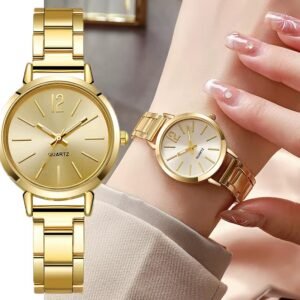
Choose a quartz watch if you want excellent accuracy, affordability, reliability, and low maintenance.
Neither type is universally better. An automatic watch can be more exciting for someone who loves mechanical craftsmanship, while a quartz watch can be the perfect everyday companion for someone who values convenience.
Before buying, consider your budget, lifestyle, preferred design, and how much maintenance you are comfortable with. Once you understand these differences, choosing between an automatic and quartz watch becomes much easier.
Whether you choose automatic or quartz, the best watch is ultimately the one that fits your needs and that you enjoy wearing every day.